Istria, the largest Croatian peninsula, is a destination that captivates with every visit. With its picturesque coastline, beautiful medieval towns, rolling hills, vineyards, olive groves, and crystal-clear sea, it is a true paradise for nature lovers, culture enthusiasts, and gastronomy fans. In addition, it boasts a rich history that can be felt in every corner, from the Roman monuments in Pula to the fortified hilltop towns such as Motovun and Grožnjan. It is no coincidence that it is often called the “Croatian Tuscany.”
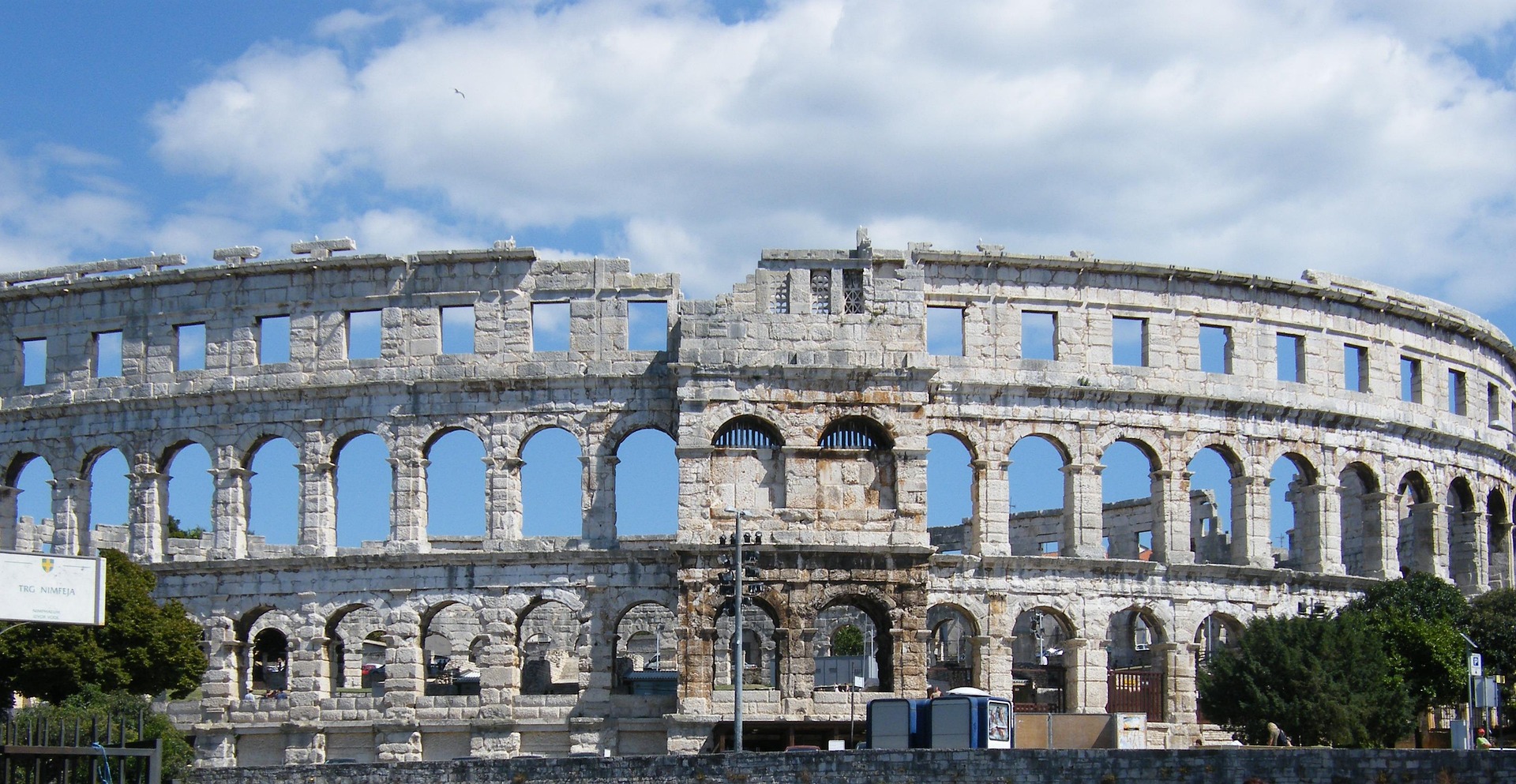
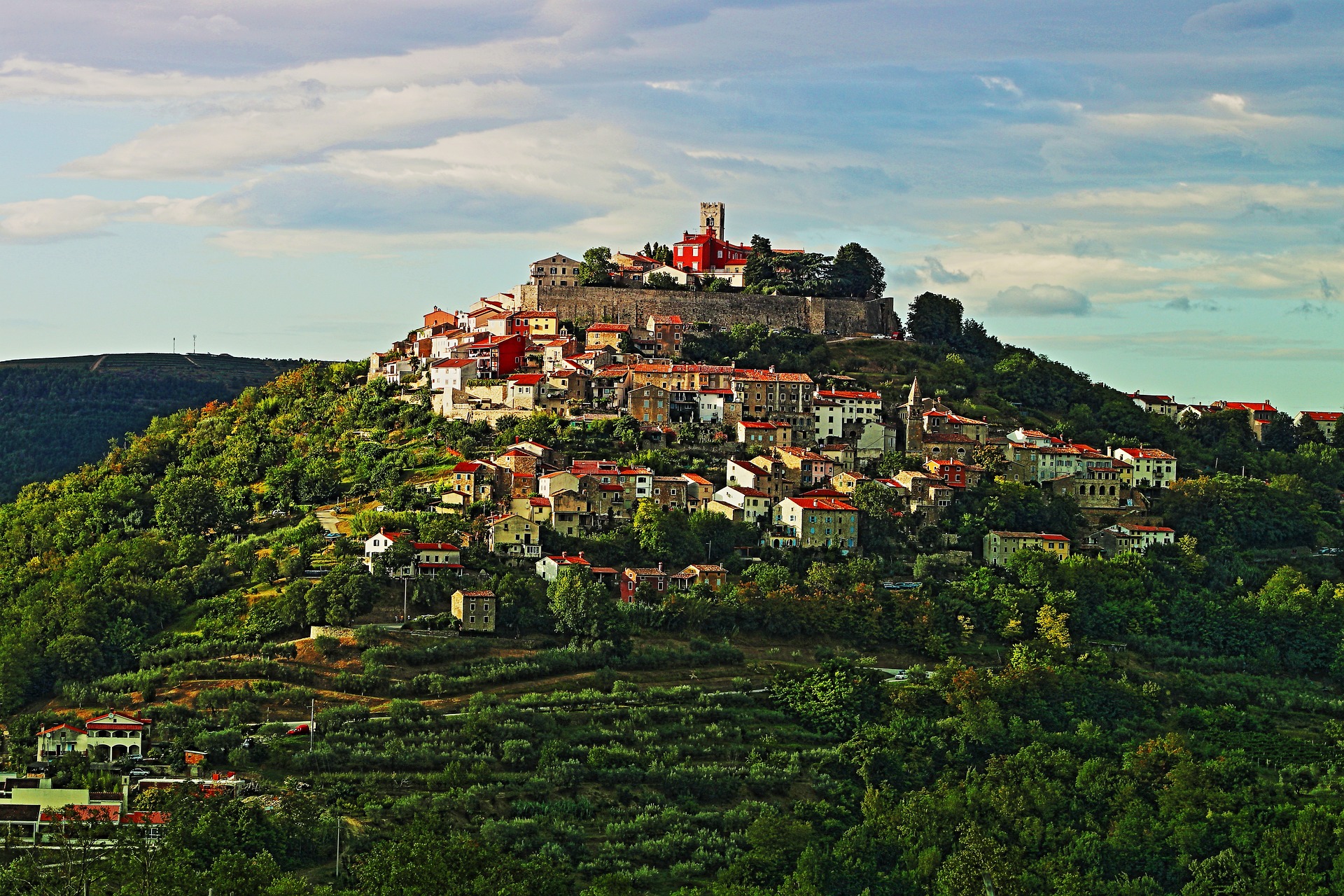
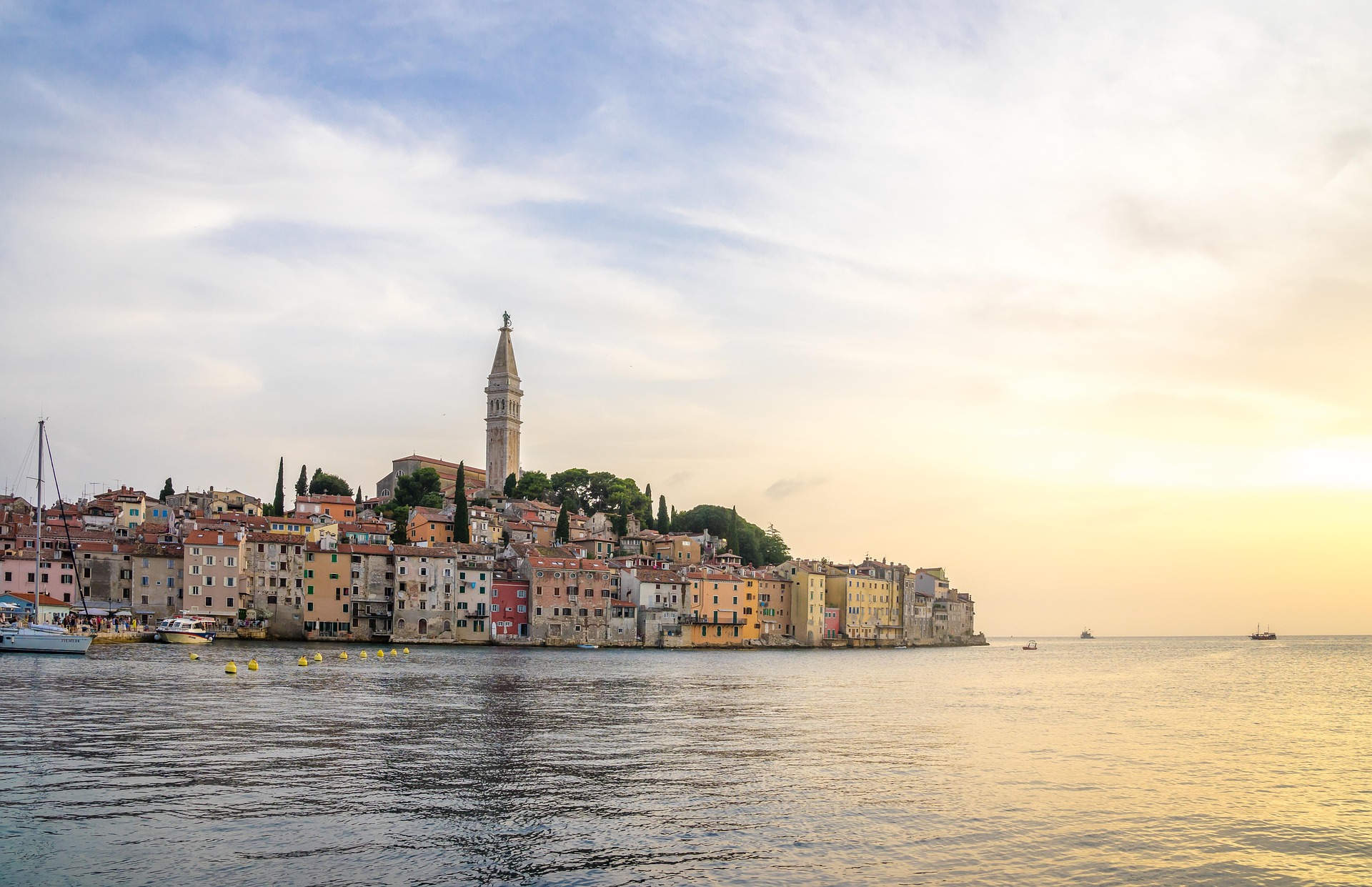
Although the Istrian coast is one of the main attractions, it is worth exploring the interior of the peninsula as well. Pula, the largest coastal town, attracts visitors with its famous Arena, an ancient Roman amphitheater where gladiatorial fights once took place, as well as with the Temple of Augustus and numerous other historical relics. Rovinj enchants with its Church of St. Euphemia, the Baroque Balbi Arch, and the old Venetian quarter, while Poreč invites a visit to the Euphrasian Basilica from the 6th century, listed as a UNESCO World Heritage site. Nature lovers will enjoy the Brijuni Archipelago, a national park consisting of 14 islands rich in flora and fauna, including a safari park, or they can explore the Istrian interior, such as Motovun, from whose hill a charming panoramic view of the vineyards unfolds.
In summer, the beaches of Istria are unforgettable. Among the most popular are Hawaiian Cove Beach in Pula, where a mix of pebbles and rocks meets cozy bars and restaurants, and Rovinj beaches such as the pebbly Mulini and the secluded Lone cove. Golden Cape offers a combination of pebble, rock, and sandy areas with the possibility of water sports, while Bijeca Beach in Medulin is ideal for families with children. Cape Kamenjak is a paradise for divers and cyclists, as numerous picturesque trails and paths stretch along the coast.
Istria is not only a paradise for sea lovers. Hikers can conquer the peak of Učka, visit the Vela Draga canyon, or explore the Ćićarija area. The underground world reveals the secrets of the Baredine cave, while the Lim Channel offers a romantic boat trip along its fjord-like waters. Sports enthusiasts can enjoy cycling, hiking, tennis, diving, sailing, and windsurfing, as Istria offers a wide range of opportunities for an active holiday.
The gastronomy of Istria is a true delight. Local prosciutto, cheeses, and truffles are just an introduction to the culinary richness that awaits. Main dishes include meat specialties such as zgvancet or boškarin, as well as seafood, such as grilled sardines seasoned with olive oil, garlic, and lemon. Istrian wines, Malvazija and Teran, perfectly complement the meal. Lovers of fine dining can visit top restaurants such as Monte in Rovinj, Zigante in Livade, or Batelina in Banjole, where every meal is a true culinary experience.
The best time to visit Istria depends on your preferences. July and August bring hot days and lively coastal atmosphere, while June and September are ideal for quieter exploration and outdoor activities. Spring and autumn are perfect for those seeking more peaceful experiences and pleasant weather, sometimes with indoor pools available in the villas.
Istria is well connected, with an airport in Pula, modern roads, and highways, making it easily accessible from both Croatia and Europe. A car is not necessary but makes exploring the interior and the coast easier. For those seeking luxurious accommodation, Adria Villas offers beautiful villas in Rovinj, Pula, Poreč, Umag, and Motovun, many of which include pools, wellness facilities, modern equipment, and the possibility of staying with pets.
Whether you are planning a short visit or a long holiday, Istria offers countless opportunities for exploration, relaxation, and culinary enjoyment. It is safe, enjoyable for families and active travelers, and its history, nature, and cuisine will surely leave an unforgettable impression. Visiting Istria is an experience worth having at least once in a lifetime.