If you are traveling to Croatia, visiting Plitvice Lakes is an absolute must. Here, you can fully immerse yourself in unspoiled natural beauty and experience the perfect harmony between water, forests, and mountains. The oldest and largest national park in Croatia captivates visitors with its unique lake system, which was also inscribed on the UNESCO World Heritage List in 1979. The park is located in the picturesque mountainous landscape between the Mala Kapela range in the west and Lička Plješivica in the southeast, mostly in the Lika-Senj region.
Plitvice Lakes are not just a collection of lakes—they are a fascinating natural phenomenon created by tufa, a special type of limestone also known as travertine. Over centuries, this process formed natural barriers, giving rise to cascading lakes that reflect the surrounding forests and steep mountains. The lakes cover less than 1% of the park’s total area, yet they are the highlight of what makes this park one of Europe’s most beautiful natural jewels.
The lakes are divided into Upper and Lower Lakes, depending on geological conditions. The Upper Lakes, such as Prošćansko, Veliko, Malo, and Kozjak, lie on impermeable dolomite and have gentler, curved shores. They are larger and perfect for peaceful walks along calm, clear waters. The Lower Lakes – Milanovac, Gavanovac, Kaluđerovac, and Novakovića Brod – were formed on permeable limestone and stretch into a deep canyon with the impressive Sastavci waterfalls, where the Korana River begins. This contrast between Upper and Lower Lakes creates a unique natural harmony that captivates visitors at every step.
Visiting the park is a true adventure. There are seven different routes to explore the lake system and four hiking trails that allow access to even the more hidden areas. Regardless of the chosen route, it is important to follow park rules: do not collect plants, do not feed animals, swimming in the lakes is prohibited, and littering is not allowed. The nature of Plitvice Lakes is fragile, so protecting it is essential.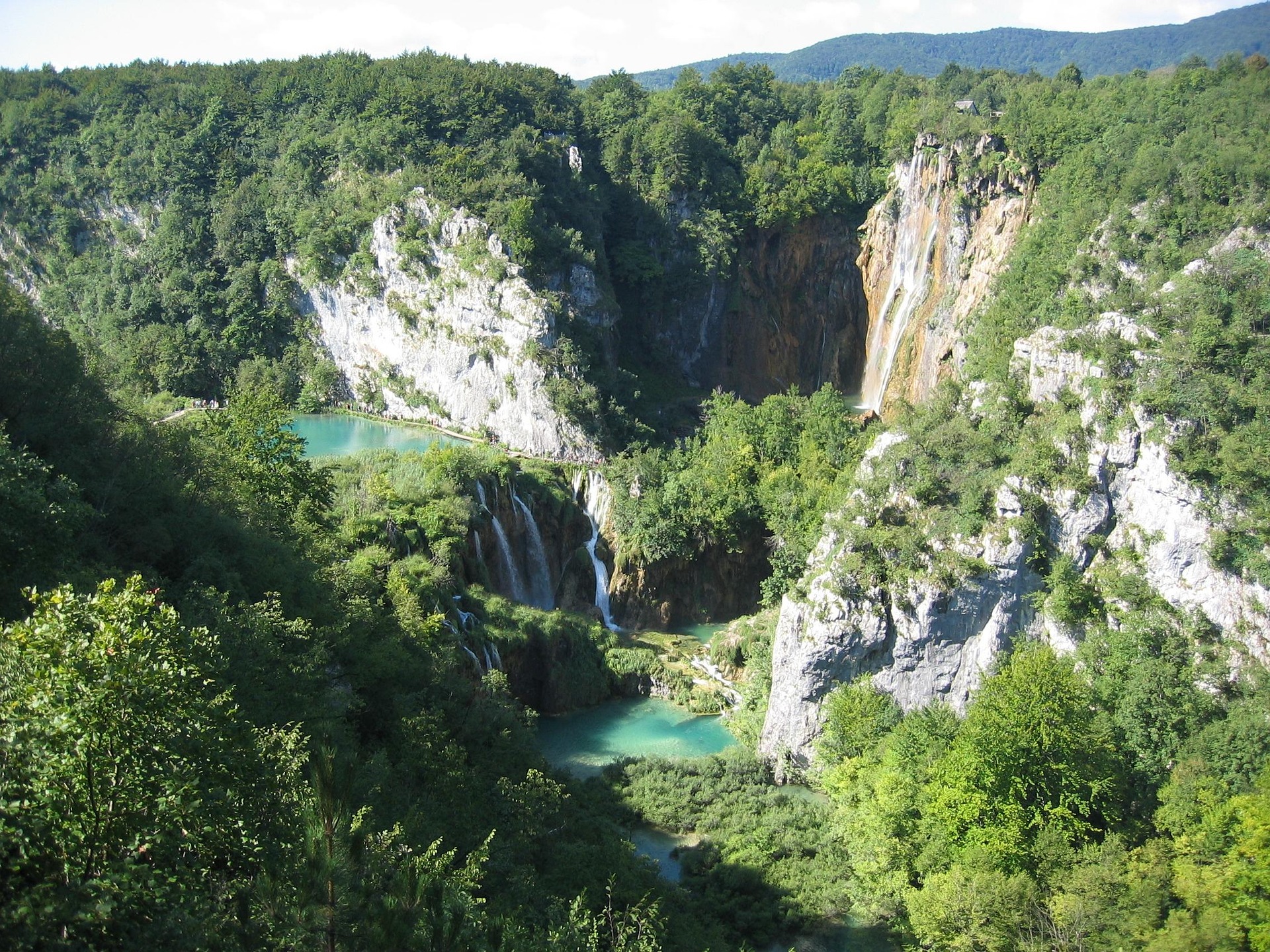
Visitors are advised to wear suitable clothing and footwear, bring protection against rain or sun, and check the weather forecast and the length of their chosen route. The park is open year-round, offering beauty in every season—from a winter wonderland to lush summer greenery ideal for relaxing walks along the lakes.
Plitvice Lakes are not just a natural wonder—they are also an opportunity to connect with Croatia’s history and culture. The park provides a sense of peace and connection with nature while reminding us of our responsibility toward the environment. If we care for nature today, future generations will be able to enjoy the same breathtaking views.
A visit to Plitvice Lakes is an unforgettable experience, combining spectacular waterfalls, crystal-clear lakes, diverse hiking trails, and dense forests. Whether you are a nature photographer, hiking enthusiast, or just seeking an escape from city life, Plitvice Lakes offer a true oasis of calm and beauty.
Finally, we must remember: nature is not a given. Every visit to Plitvice Lakes is a chance to admire the wonders of nature while contributing to its preservation. The park teaches respect, patience, and an appreciation for the harmony that nature so generously provides.
Plitvice Lakes – a place where water cascades over waterfalls, forests are reflected in the lakes, and every step tells the story of nature’s power and beauty.